Source Manual Espresso Machine for Home, Cafe, and Office
Explore 30 listings for the manual espresso machine, featuring models like Espresso Pro with SUS stainless steel construction. Compare specifications including 100BPH capacity, CE ISO certification, and 1-year warranty options to find the right fit for your sourcing needs; compare the available evidence and request quotations based on your requirements.
Key considerations
Products List
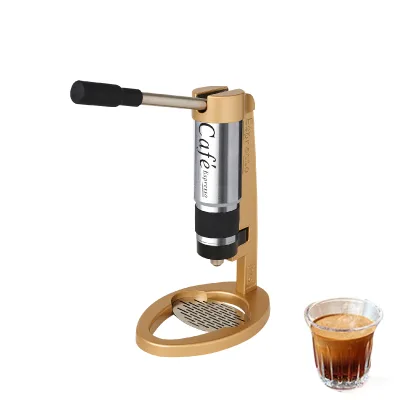
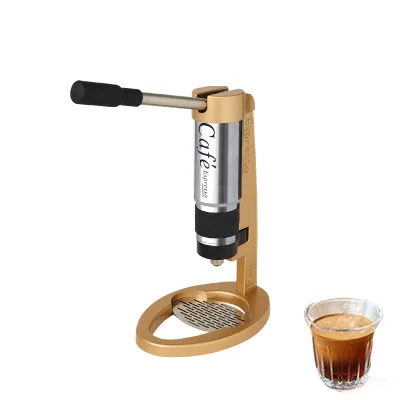
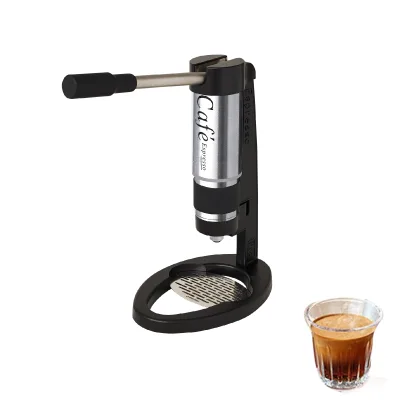
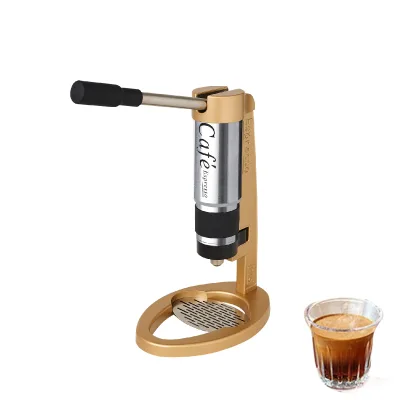
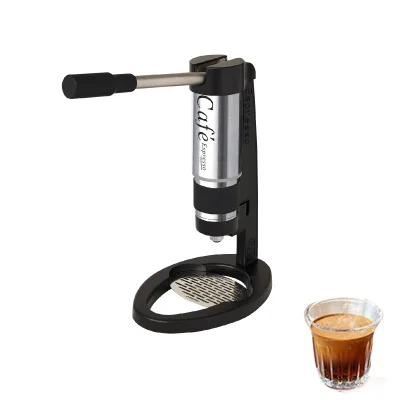
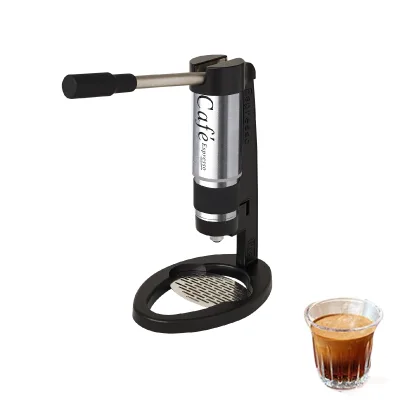


Comprehensive Sourcing Guide
Manual Espresso Machine Sourcing Guide
Sourcing manual espresso machines requires a careful balance between traditional craftsmanship and modern manufacturing reliability. Buyers must distinguish between fully manual lever systems and semi-automatic units that rely on external pressure sources. The core keyword defines a category where user intervention is primary, yet consistency in extraction remains critical for commercial viability. Understanding the mechanical nuances helps procurement teams align product selection with their specific operational needs, whether for high-volume cafes or boutique retail environments.
This guide focuses on evidence-based verification steps to mitigate supply chain risks. It emphasizes the importance of validating technical specifications against actual performance claims rather than relying solely on marketing materials. By adhering to strict verification protocols, buyers can ensure that the equipment meets both functional requirements and safety standards. The following sections provide a structured approach to evaluating suppliers, assessing product quality, and establishing sustainable procurement practices for manual espresso machinery.
Product Scope and Observed Listing Signals
The observed market data indicates a diverse range of manual espresso machines with varying price points and minimum order quantities. Listings show prices ranging from twenty-five to three thousand two hundred fifty US dollars, reflecting differences in material quality, brand positioning, and included features. Minimum order quantities vary significantly, starting from one piece for sample orders up to seventeen hundred pieces for bulk commercial deployments. This wide variance suggests that buyers should tailor their procurement strategy based on their immediate volume needs and long-term distribution plans.
Product attributes reveal a mix of materials and design philosophies, with stainless steel and aluminum being common housing materials. Some models are explicitly labeled as Italian style, indicating a design heritage that appeals to specific consumer segments. The presence of certifications such as CE and ISO in some listings provides a baseline for regulatory compliance, though buyers must verify the validity of these documents for each specific unit. Understanding these signals helps buyers filter through the noise of generic listings to identify suppliers who offer genuine value and reliability.
Technical Specifications to Verify
Verifying technical specifications is crucial for ensuring that the manual espresso machine meets operational demands. Key attributes to confirm include the brew head volume, which may be around seventy-five milliliters, and the per-heat capacity for powder, often cited as twenty grams. Buyers should also check the machine dimensions, such as two hundred seventy-five by one hundred eighty by three hundred seventy-seven millimeters, to ensure fit within their intended space. These physical constraints directly impact workflow efficiency and installation logistics, making precise measurement verification essential before placing large orders.
Power requirements and voltage specifications must be carefully matched to the local electrical infrastructure. While some listings indicate zero watts for certain components, others specify one hundred ten volts, highlighting the need for clear electrical compatibility checks. The driven type is consistently manual, meaning the buyer must assess the ergonomic design and lever action for ease of use. Additionally, verifying the machine material, such as SS-304 stainless steel, ensures durability and resistance to corrosion, which is vital for maintaining hygiene standards in both commercial and home use environments.
Compliance and Safety Documentation
Compliance with international safety and quality standards is non-negotiable for manual espresso machines intended for global markets. Buyers should request valid certification documents, such as CE and ISO marks, to verify that the manufacturer adheres to recognized regulatory frameworks. These certifications indicate that the product has undergone specific testing procedures for electrical safety, material toxicity, and mechanical integrity. Without proper documentation, buyers risk facing customs delays, legal liabilities, or product recalls, making thorough verification of these documents a critical step in the sourcing process.
Beyond certifications, buyers must assess the availability of machinery test reports and warranty terms. Although some listings indicate that test reports are not available, reputable suppliers should be able to provide third-party validation of key performance indicators. A standard one-year warranty is common, but buyers should clarify the scope of coverage, including parts and labor. After-sales support options, such as video technical support and online assistance, are vital for troubleshooting operational issues. Ensuring that these support mechanisms are robust helps minimize downtime and maintains customer satisfaction in the long run.
Cost Drivers and Commercial Terms
Several factors influence the total cost of ownership for manual espresso machines, including material quality, manufacturing complexity, and packaging requirements. The use of high-grade stainless steel and aluminum increases production costs but enhances durability and aesthetic appeal. Packaging materials, often carton-based, must be designed to protect the machine during transit, adding to the overall expense. Buyers should evaluate the trade-off between initial purchase price and long-term maintenance costs, considering that higher-quality materials may reduce replacement frequency and repair expenses.
Commercial terms such as minimum order quantities and payment structures significantly impact procurement strategy. While some suppliers offer low MOQs of one piece, others require orders of five pieces or more, affecting inventory management and cash flow. Buyers should negotiate flexible terms that align with their sales forecasts and storage capabilities. Additionally, understanding the lead times and shipping costs is essential for accurate budgeting. Transparent communication regarding these commercial terms helps prevent unexpected expenses and ensures a smoother transaction process from order placement to delivery.
Supplier Qualification and Quality Control
Supplier qualification involves a rigorous assessment of manufacturing capabilities, quality control processes, and business stability. Buyers should verify the supplier’s place of origin, such as Zhejiang, China, and assess their production capacity, which may be listed as one hundred bottles per hour for related machinery. This capacity indicator provides insight into the supplier’s ability to meet large orders within specified timelines. Conducting factory audits or requesting video tours can help buyers evaluate the cleanliness, organization, and technological sophistication of the production environment.
Quality control measures must be clearly defined and consistently enforced by the supplier. Buyers should inquire about incoming material inspections, in-process quality checks, and final product testing procedures. The presence of key selling points like easy operation and high efficiency should be validated through sample testing or customer feedback. Establishing a clear quality agreement that outlines acceptable defect rates and remediation procedures is essential. By prioritizing suppliers with robust quality control systems, buyers can ensure that the manual espresso machines they procure meet their standards for performance and reliability.
Long-Term Procurement Checks
Long-term procurement success depends on establishing strong relationships with suppliers and implementing continuous improvement strategies. Buyers should regularly review supplier performance metrics, including on-time delivery rates, product quality consistency, and responsiveness to issues. Maintaining open communication channels allows for timely resolution of any emerging problems and fosters a collaborative partnership. Additionally, staying informed about industry trends and technological advancements helps buyers make informed decisions about future product upgrades or replacements.
Regular audits and feedback loops are essential for maintaining high standards over time. Buyers should conduct periodic reviews of the manual espresso machines in the field to assess durability and user satisfaction. Collecting data on common failure modes or maintenance requirements can inform future purchasing decisions and supplier negotiations. By proactively managing these long-term checks, buyers can mitigate risks, optimize costs, and ensure that their procurement strategy remains aligned with their business objectives and market demands.
FAQs
What is the warranty period for the manual espresso machine?
The warranty period is one year for this manual espresso machine. After the warranty expires, video technical support and online support remain available to assist with any operational issues or maintenance needs you may encounter during extended use.
Which certifications does the manual espresso machine hold?
The manual espresso machine holds CE and ISO certifications. These standards ensure the equipment meets specific safety and quality requirements for manufacturing, providing assurance regarding the build quality and operational safety for commercial or home environments.
How much does the manual espresso machine weigh?
The weight of the manual espresso machine varies between 5.2 and 10 kilograms depending on the specific model configuration. This weight range reflects differences in materials like stainless steel and aluminum used in the housing and internal components.
Can the manual espresso machine handle coffee powder filling?
Yes, the manual espresso machine can process coffee powder as a filling material. It is designed to handle water and powder inputs, making it suitable for preparing espresso beverages using standard coffee grounds in a manual operation setting.
What is the minimum order quantity for the manual espresso machine?
The minimum order quantity ranges from 1 to 5 pieces for the manual espresso machine. This flexible MOQ allows buyers to purchase single units for testing or small batches, accommodating various procurement needs without requiring large initial investments.
Where is the manual espresso machine manufactured?
The manual espresso machine is manufactured in Zhejiang, China. This location indicates the origin of production, which is relevant for logistics planning and understanding the supply chain dynamics associated with sourcing this specific type of coffee equipment.
What is the brewing volume capacity of the manual espresso machine?
The brewing volume capacity is 75 milliliters per head for the manual espresso machine. This specific volume is optimized for standard espresso shots, ensuring consistent extraction results when operating the machine manually for single or double servings.